
Installation · 2025-11-20
How to Bed Performance Brake Rotors
The 30-stop bedding procedure that transfers pad material evenly and eliminates vibration.
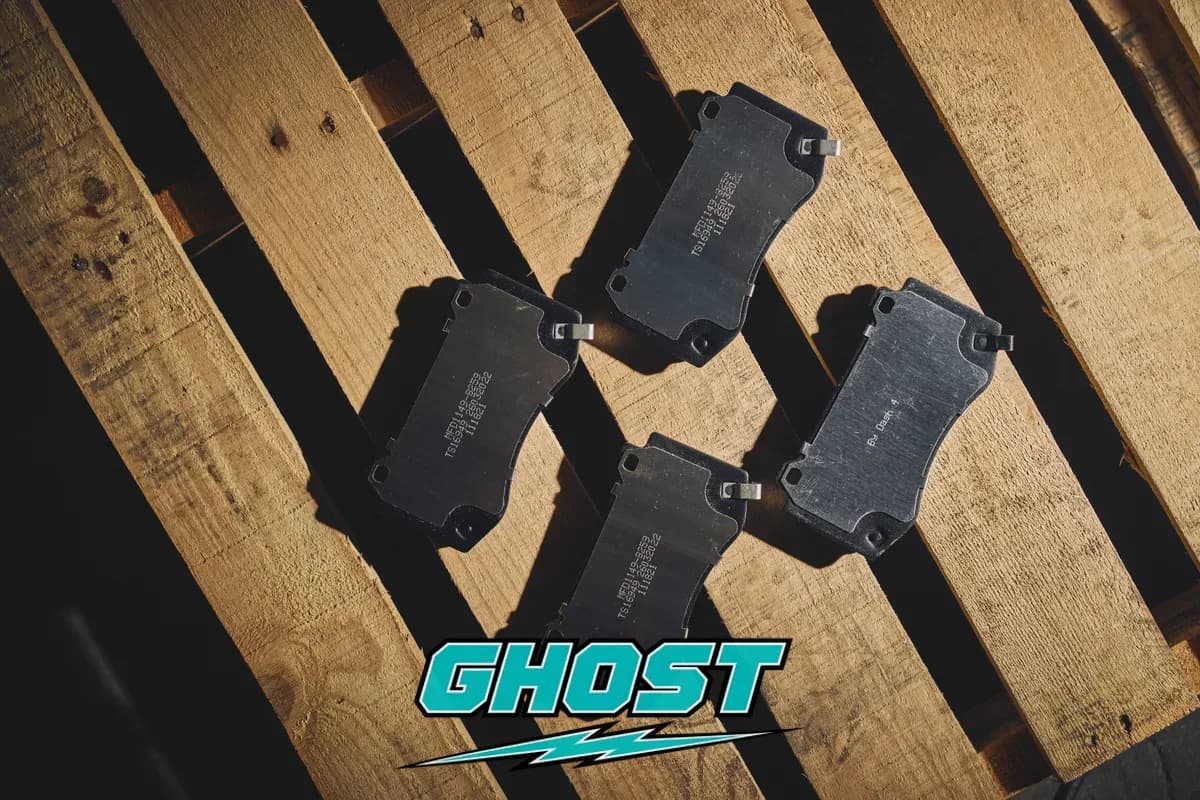
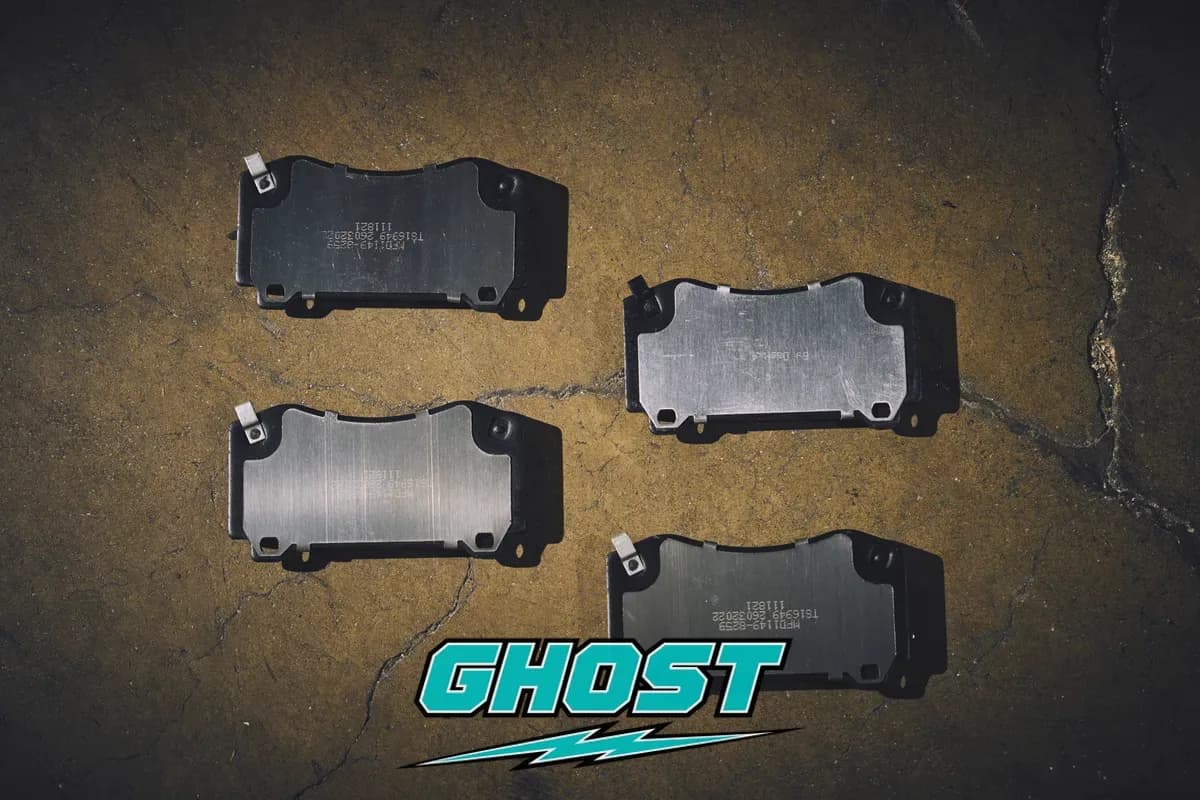
Proper bedding creates an even friction layer between pad and rotor, eliminating vibration, squeal, and premature wear. Skipping this step is the most common cause of post-install complaints. Ghost Brakes recommends the industry-standard 30-stop procedure for all new rotor and pad installations — street, tow, and track compounds alike.
Why Bedding Matters
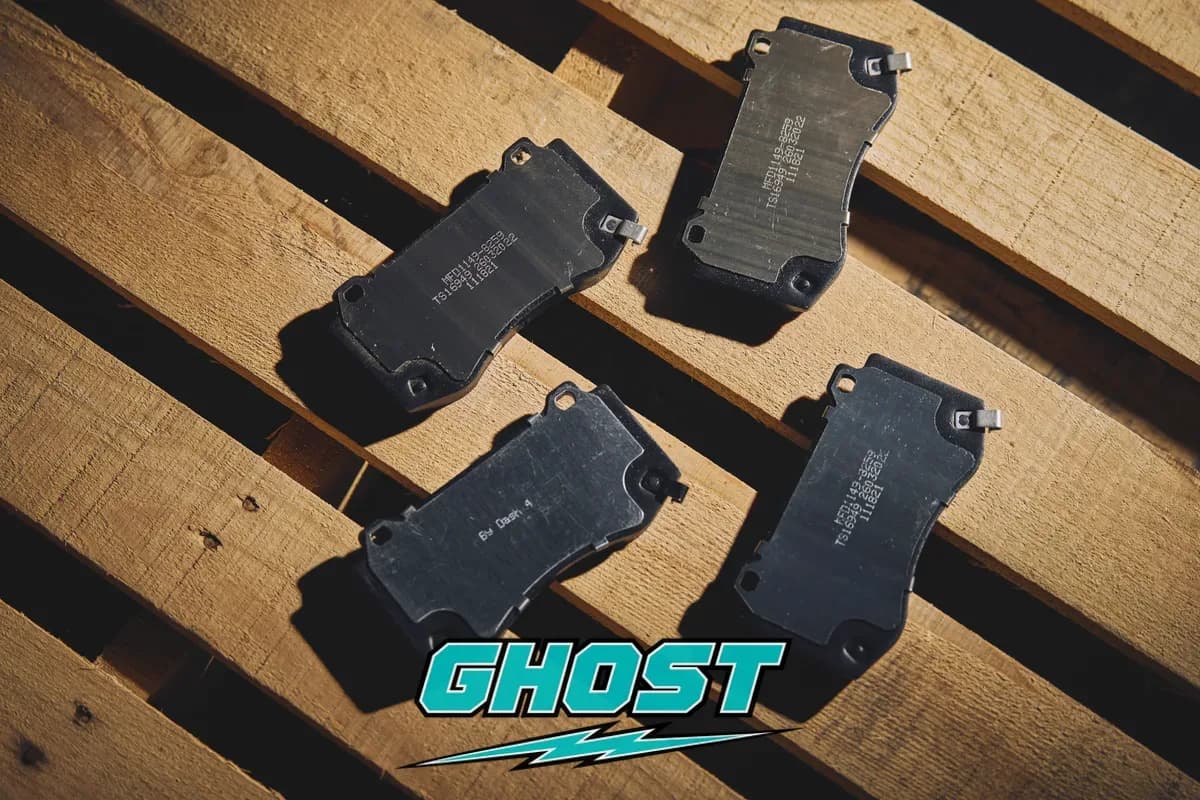
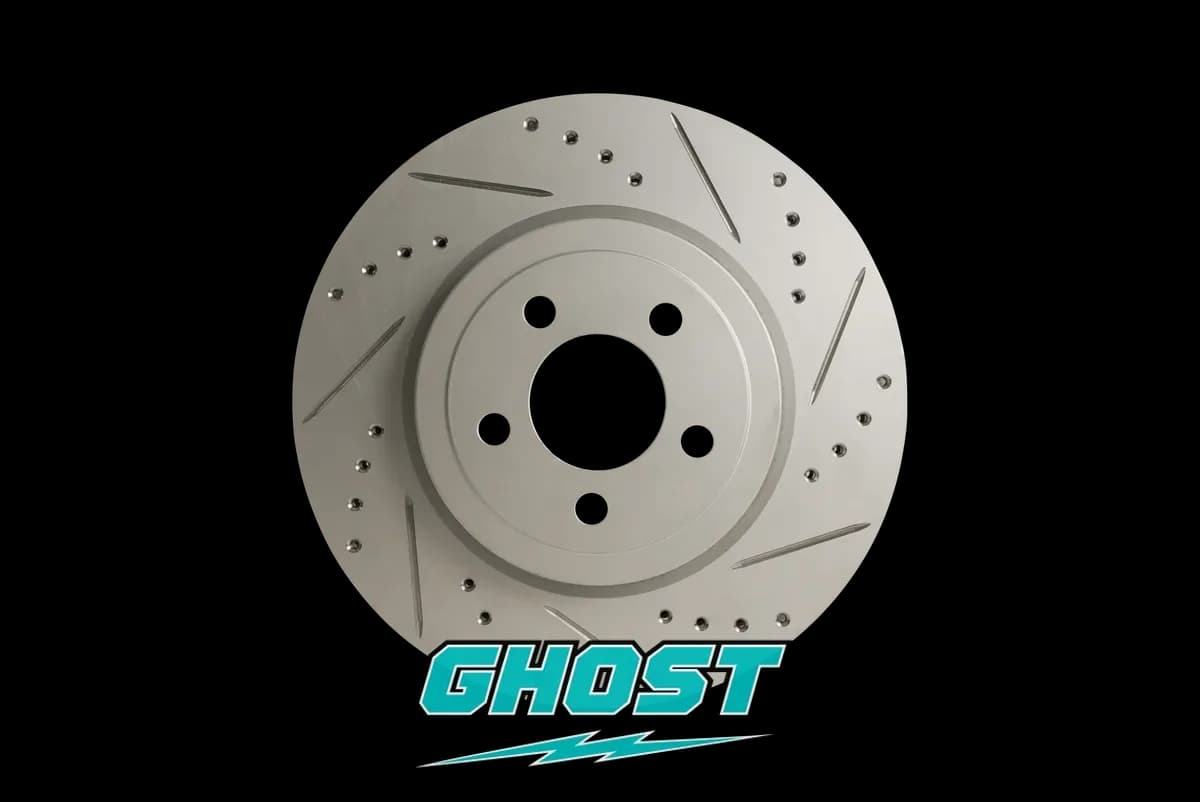
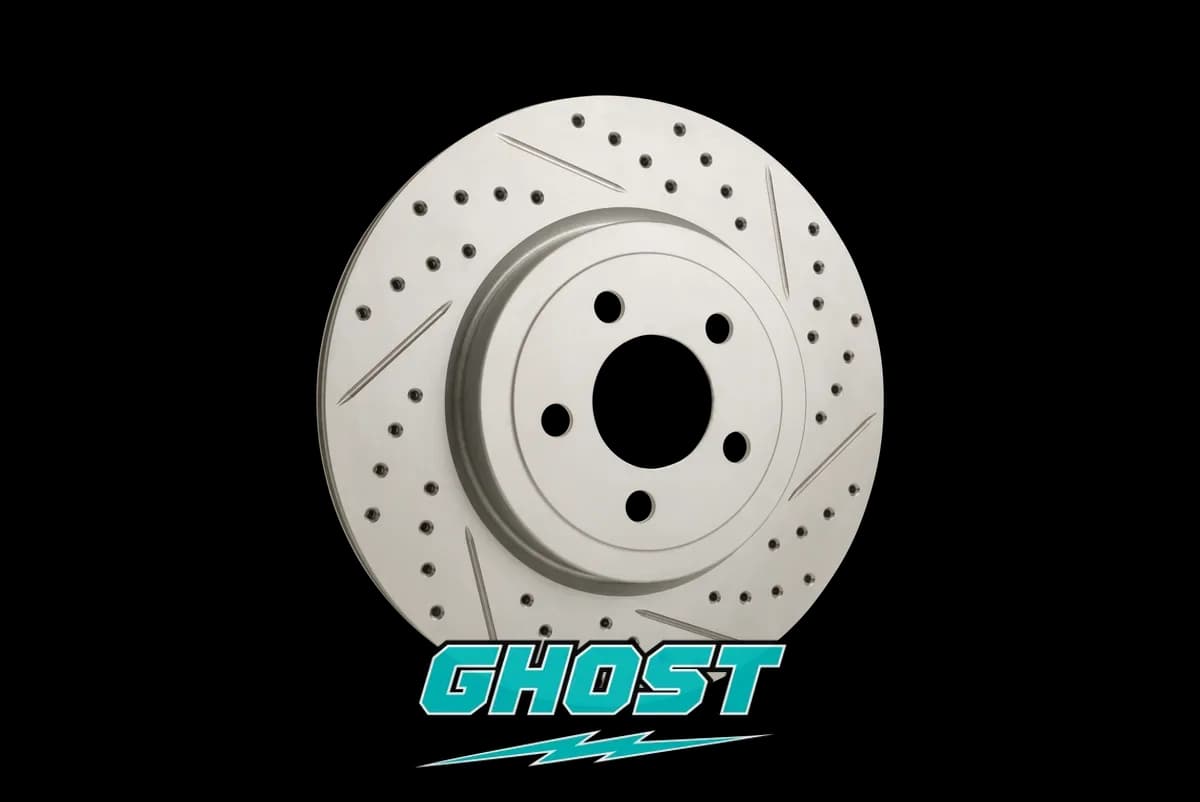
Fresh rotors have a machined surface. Fresh pads have un-transferred friction material. Without bedding, pad material deposits unevenly on the rotor face, creating high and low spots. The result is pedal pulsation, steering wheel shake, and reduced stopping power. Bedding transfers an even layer of pad material across the entire friction surface.
The 30-Stop Procedure
Find a safe, open road with minimal traffic. Accelerate to 60 mph, then brake firmly to 10 mph — not a panic stop, but firm and consistent pressure. Repeat 30 times, allowing 30 seconds of cool-down between each stop. Do not come to a complete stop during bedding unless traffic requires it. After 30 cycles, drive normally for 5–10 minutes without hard braking to let rotors cool evenly.
Common Bedding Mistakes
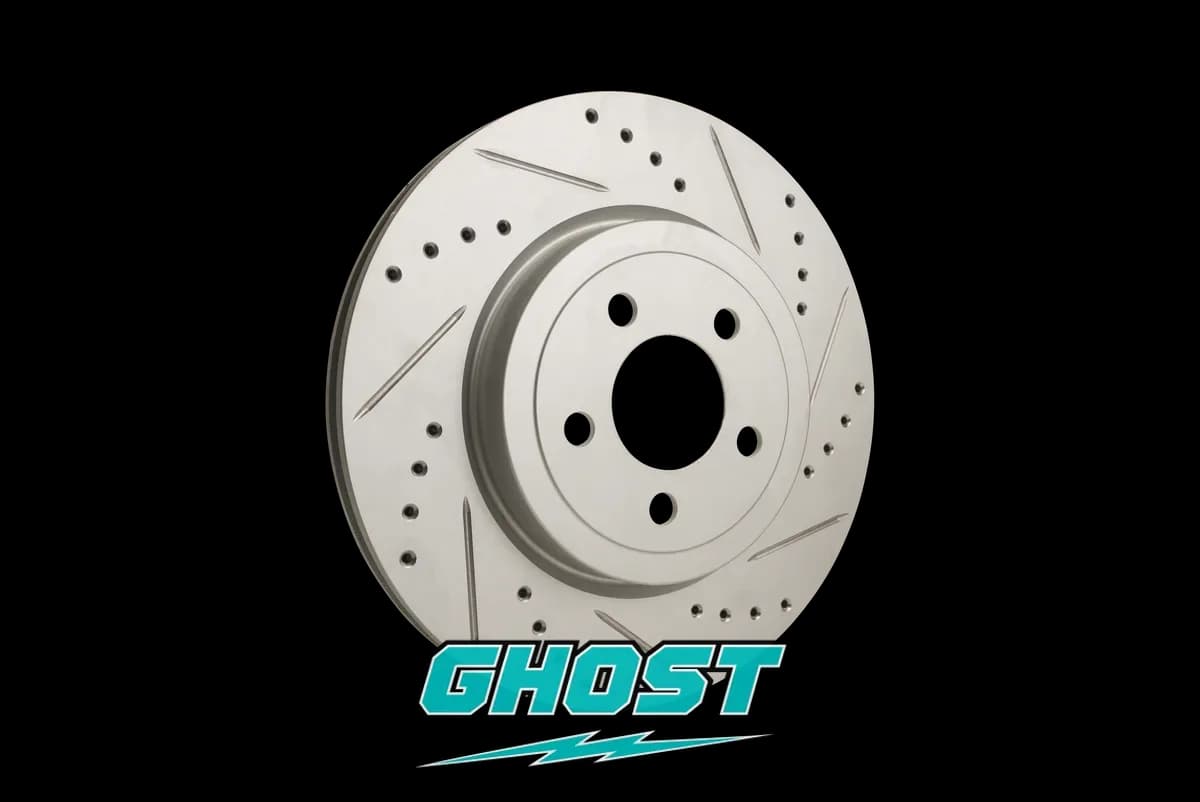
- Stopping completely during bedding — causes uneven pad deposits at one spot
- Single panic stop — does not transfer material across the full rotor face
- Immediate track use — un-bedded pads glaze and rotors develop hot spots
- Ignoring cool-down intervals — heat-soaked rotors cannot accept even transfer
Take 20 minutes to bed your Ghost Brakes rotors correctly and you will enjoy smooth, quiet, consistent stopping for the life of the pad set.
Ordering and Fitment on Slyde Over
Ghost Brakes publishes engineering detail on this site; Slyde Over is where you confirm fitment, compare 555 vs 777 tiers, and check out matched rotor-and-pad kits. Use the Where to Buy path when you are ready to order — every complete kit ships with bedding guidance, hardware where applicable, and warranty coverage on manufacturing defects.
Before you buy, cross-check your year, trim, and brake package (standard vs performance vs track) against the vehicle hub for your platform. Track and tow users should prioritize thermal headroom and 2-piece fronts where offered; daily drivers often benefit most from dust reduction and longer pad life on factory wheel sizes.
Questions about pad noise, rotor rust after rain, or whether your caliper requires a 2-piece front only? Contact fitment support with your VIN — we will confirm SKU before you purchase so you are not guessing between OEM-sized replacements and a true performance upgrade.
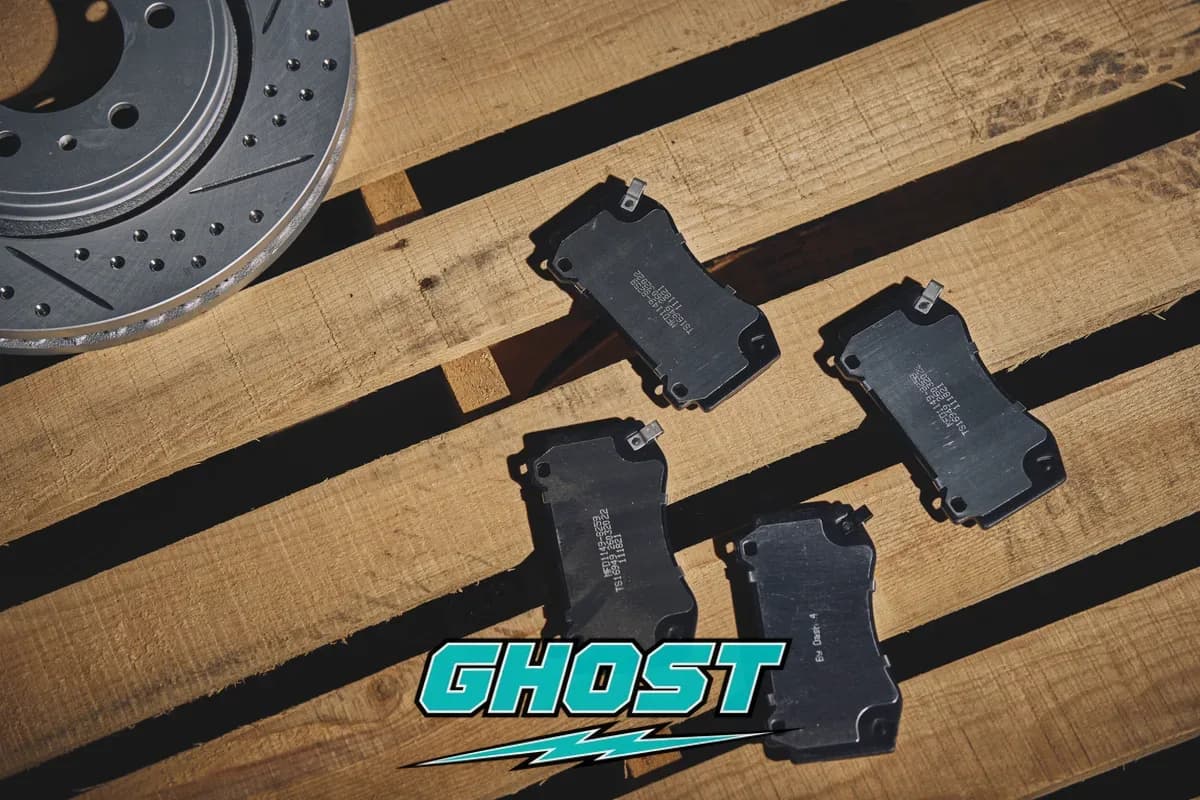
Matched kits outperform mixed-and-matched rotors and budget pads: pad transfer layers form evenly only when friction materials are designed for the rotor metallurgy and slot pattern you install. Follow bedding instructions after every rotor or pad change.
Shipping is fulfilled through our authorized retailer with tracked delivery across the continental US on qualifying orders. Keep your order confirmation for warranty registration — claims require proof of purchase and photos of the installed components if a defect appears.
Related Ghost Brakes Technology
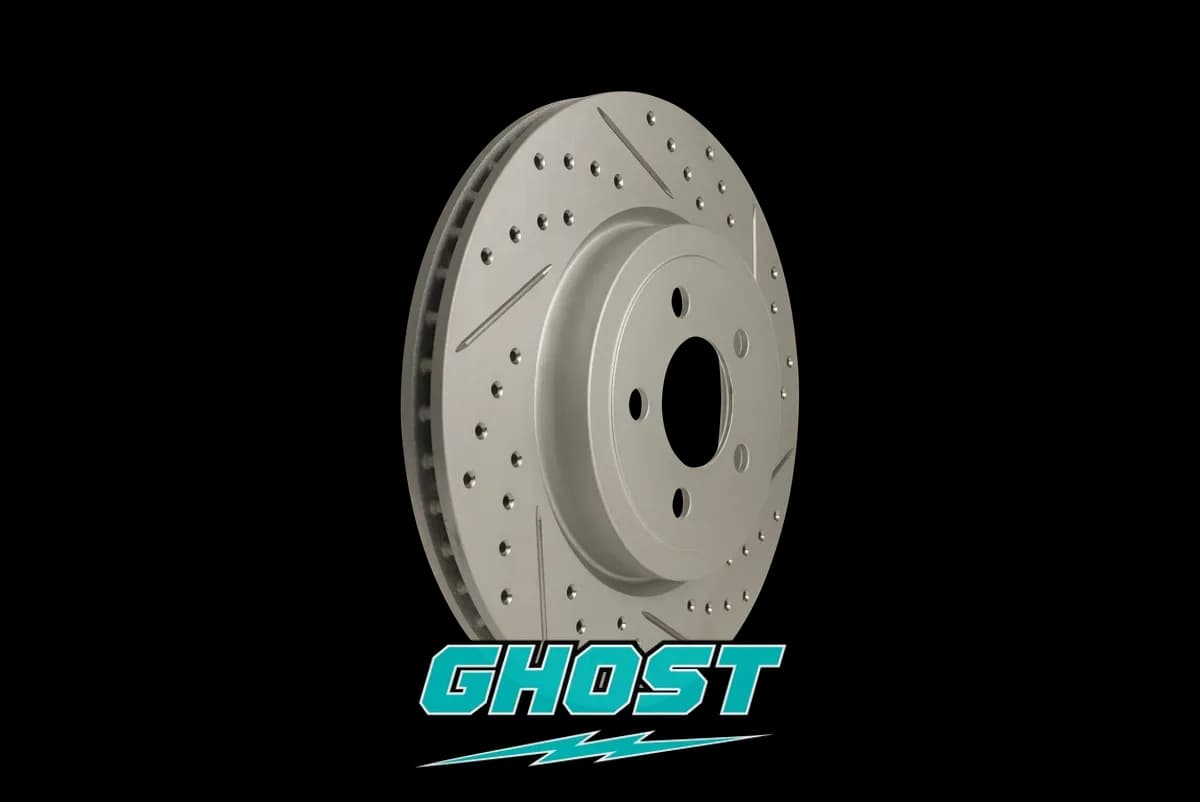
Deep dives on 2-piece rotor technology, carbon ceramic pads, and GEOMET coating explain metallurgy and coating choices. Link to those pages when you want engineering context; return to vehicle hubs or Slyde Over when you need live SKU, price, and checkout.
Compare floating rotors vs one-piece G11H18 kits in our blog, then filter the Slyde Over catalog by make and model. Free continental US shipping applies to qualifying complete kits through our authorized retailer.
Winter storage, salted roads, and repeated short trips are hard on untreated iron rotors — GEOMET and proper pad selection address corrosion and dust without sacrificing bite for street and light track use.
If you are comparing against OEM or big-box brands, read our competitor comparison posts on Slyde Over, then return here for metallurgy context before you choose a tier.
Find Brakes for Your Vehicle
Use the vehicle search to open your year/make/model hub, compare 555 and 777 tiers, and follow Where to Buy when you are ready to checkout on Slyde Over. Spec sheets list rotor diameter, pad compound family, and whether the kit uses 2-piece fronts, full floating corners, or GEOMET-coated one-piece rotors.
Off-road, tow, and track builds should confirm caliper clearance with your wheel spec — especially on TRX, Raptor, and HD trucks where optional wheel packages change clearance. When in doubt, contact us before you order.
Support, Warranty, and Bedding Reminders
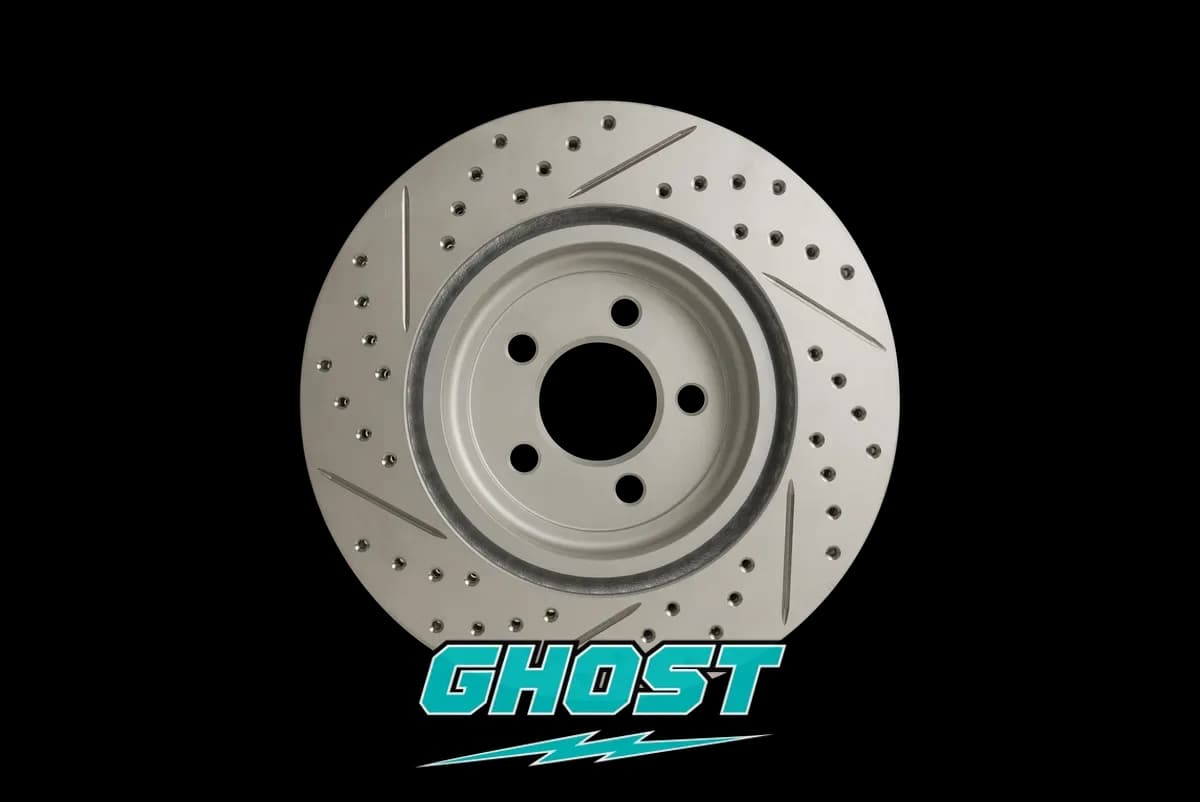
After your kit arrives, inspect rotors for shipping damage and verify part numbers against your order confirmation before you remove old hardware. Clean hub faces, guide pins, and caliper bridges — contaminated hubs are a common source of runout that feels like a “bad rotor” when the disc is actually true.
Bed pads in a controlled cycle: repeated moderate stops from street speed, then cool-down, without coming to a complete stop while pads are hot. Track drivers should bed on the street before the first session so transfer layers form before you rely on the brakes at entry speeds.
Warranty coverage applies to manufacturing defects when Ghost Brakes rotors and pads are used together as shipped. Contact support with photos if you see cracking, delamination, or coating failure under normal use — we will walk through install history before approving replacements.
When you are ready to purchase, use Where to Buy to open Slyde Over with the correct UTM tags so fitment support can reference the same SKU you see in cart.