
Rotor Metallurgy 101: G3500 vs G3000 vs Carbon-Ceramic
Gray iron grades, carbon-ceramic discs, and how Ghost Brakes matches alloy choice to trucks, muscle, and track duty.
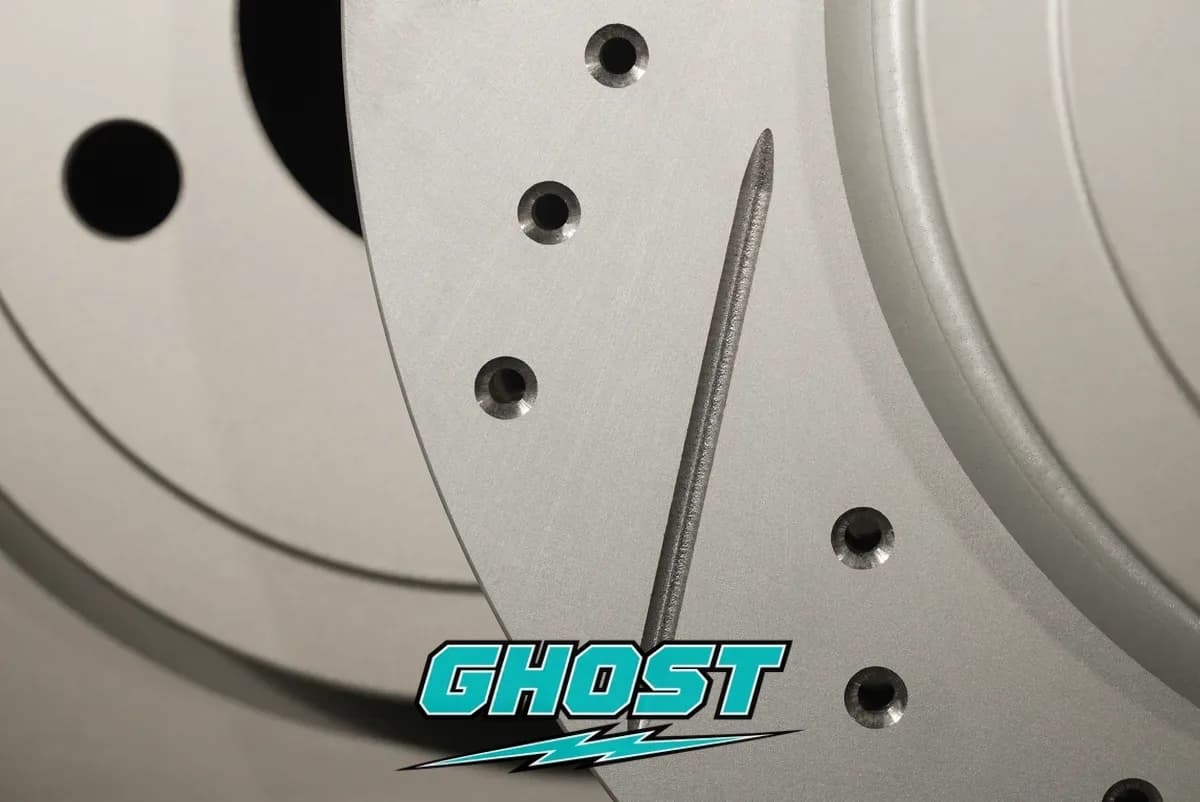
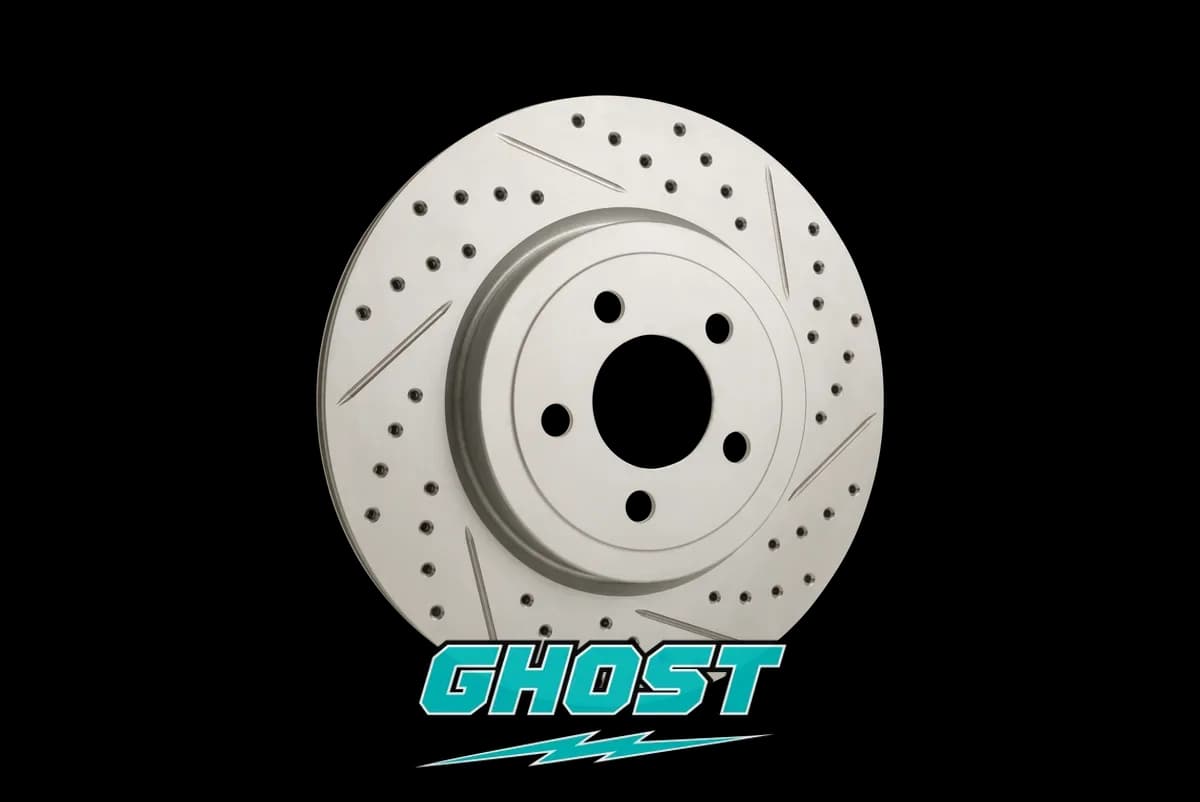
Brake rotors are cast iron in the vast majority of performance and truck applications. Alloy grade controls graphite structure, thermal conductivity, and resistance to warp under repeated heat spikes. Ghost Brakes uses G11H18 high-carbon gray iron for 555 one-piece drilled-and-slotted rotors and G3500-class metallurgy on 777 two-piece friction rings where floating architecture already targets track-level thermal management.
Marketing terms like “premium iron” without a grade are meaningless. When comparing brands, ask which ASTM or OEM-equivalent grade is used and whether the rotor is directional-cooled for your vehicle’s mass and power.
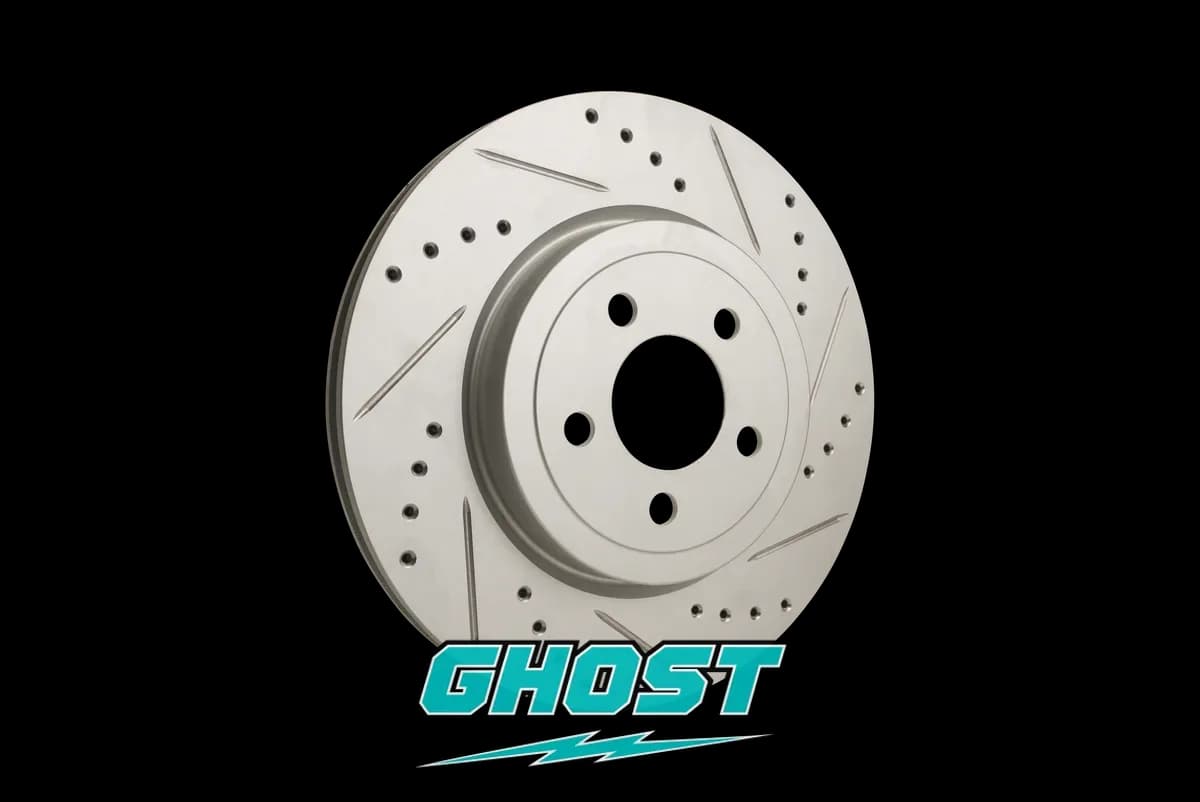
G11H18 and G3000-Class Alloys
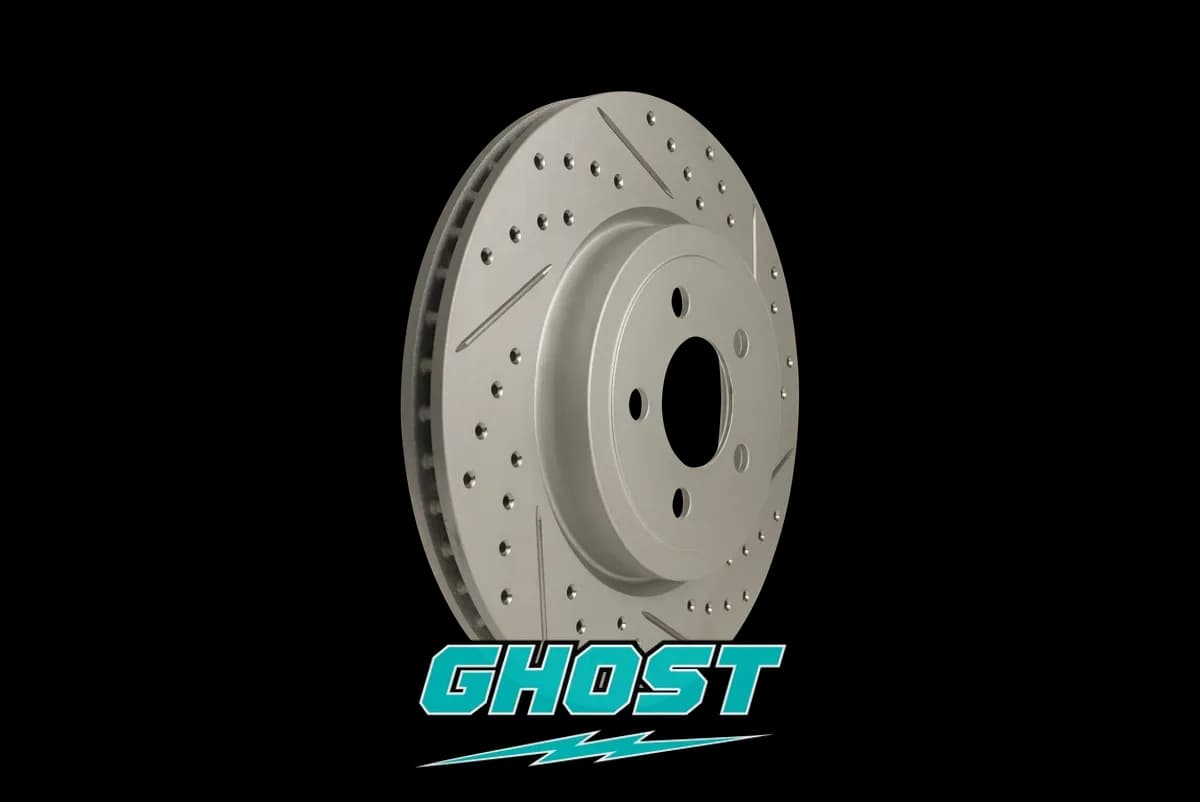
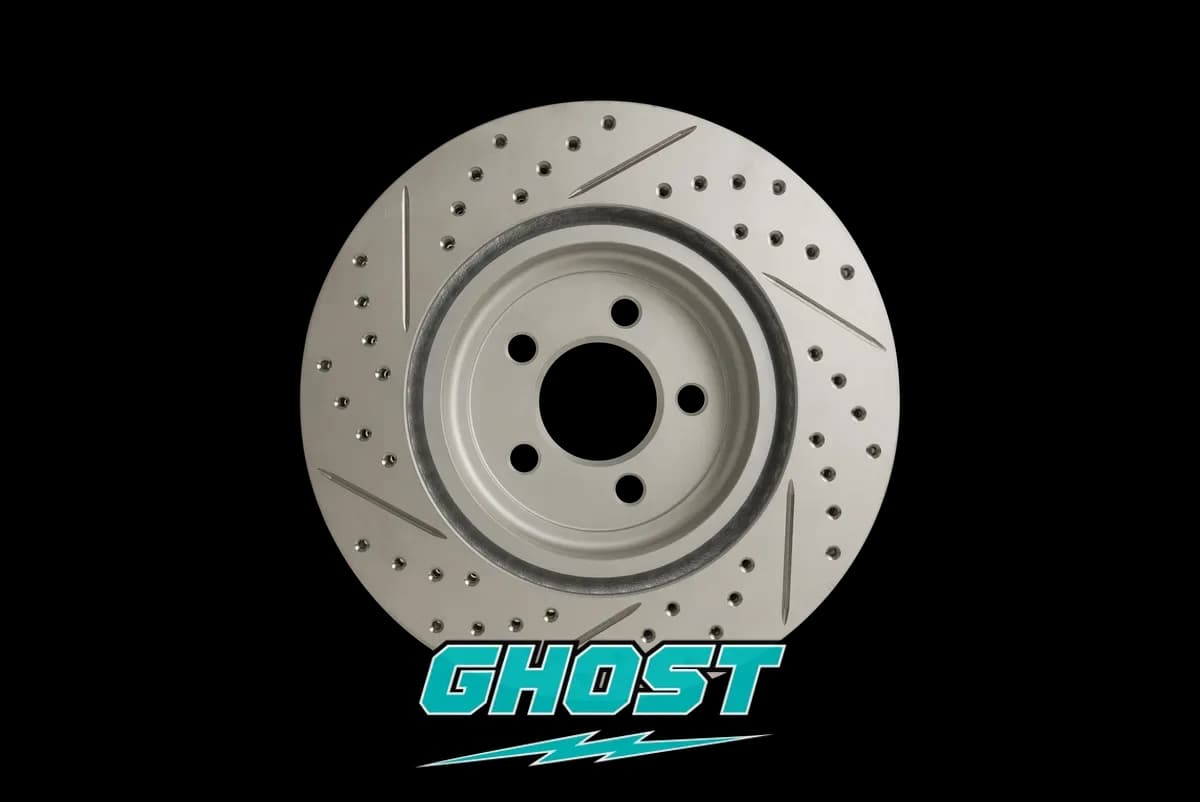
G11H18 denotes high-carbon cast iron with tighter grain control suited to one-piece rotors on trucks and daily-driven performance cars. It balances cost, machinability for drill-and-slot patterns, and thermal stability under towing and canyon cycles. G3000-class alloys appear in many OEM and aftermarket rotors as a baseline — adequate for light duty, less forgiving when repeated stops stack heat on a loaded F-150 or Silverado.
Ghost Brakes selects G11H18 for 555 kits because those platforms need better thermal headroom without jumping to full 2-piece cost on every axle.
G3500 on Two-Piece Friction Rings
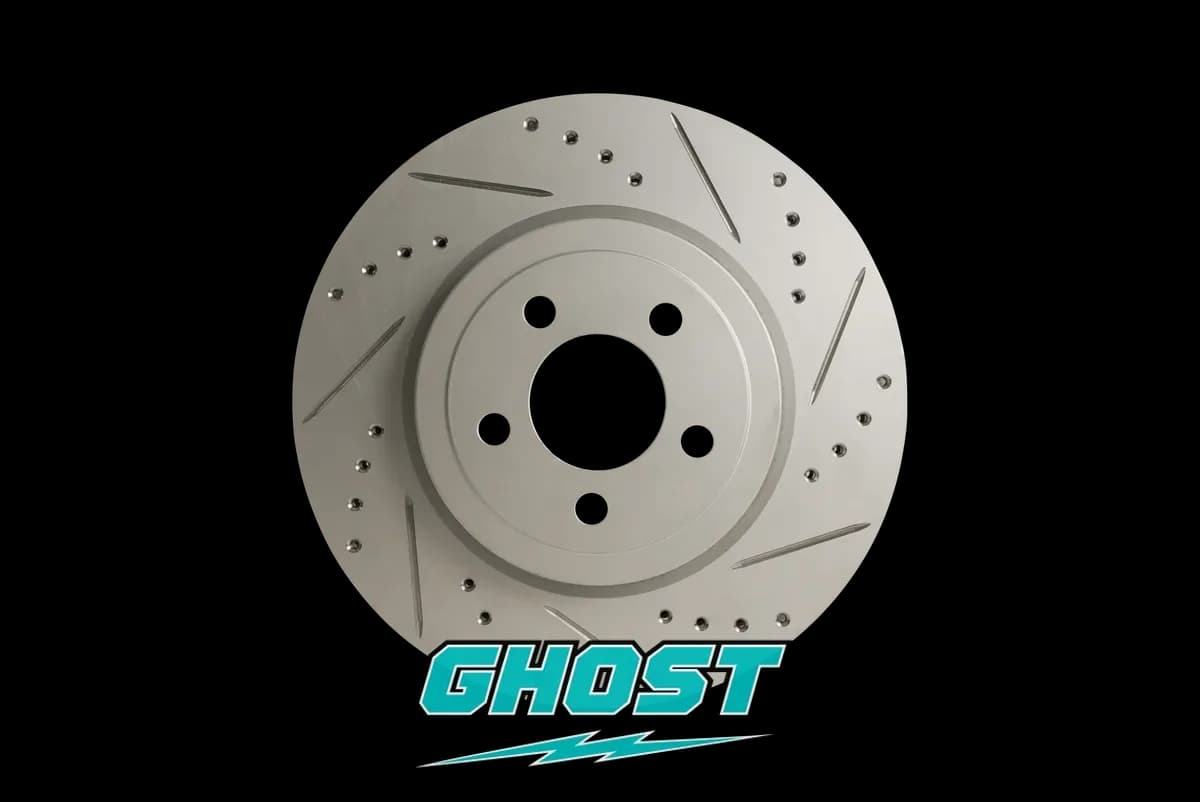
777 floating rotors use G3500 gray iron friction rings bolted to aluminum hats. The ring carries the pad sweep and sees the highest temperatures; G3500’s tighter metallurgical control reduces high-spot formation when heat cycles repeat quickly — Hellcat track days, Z06 sessions, or repeated autobahn stops on Euro kits.
Floating hardware allows radial expansion without bending the whole disc, but the ring alloy still must resist crack initiation at slot and drill transitions. That is why machining quality and alloy grade work together.
Carbon-Ceramic Discs (When They Apply)
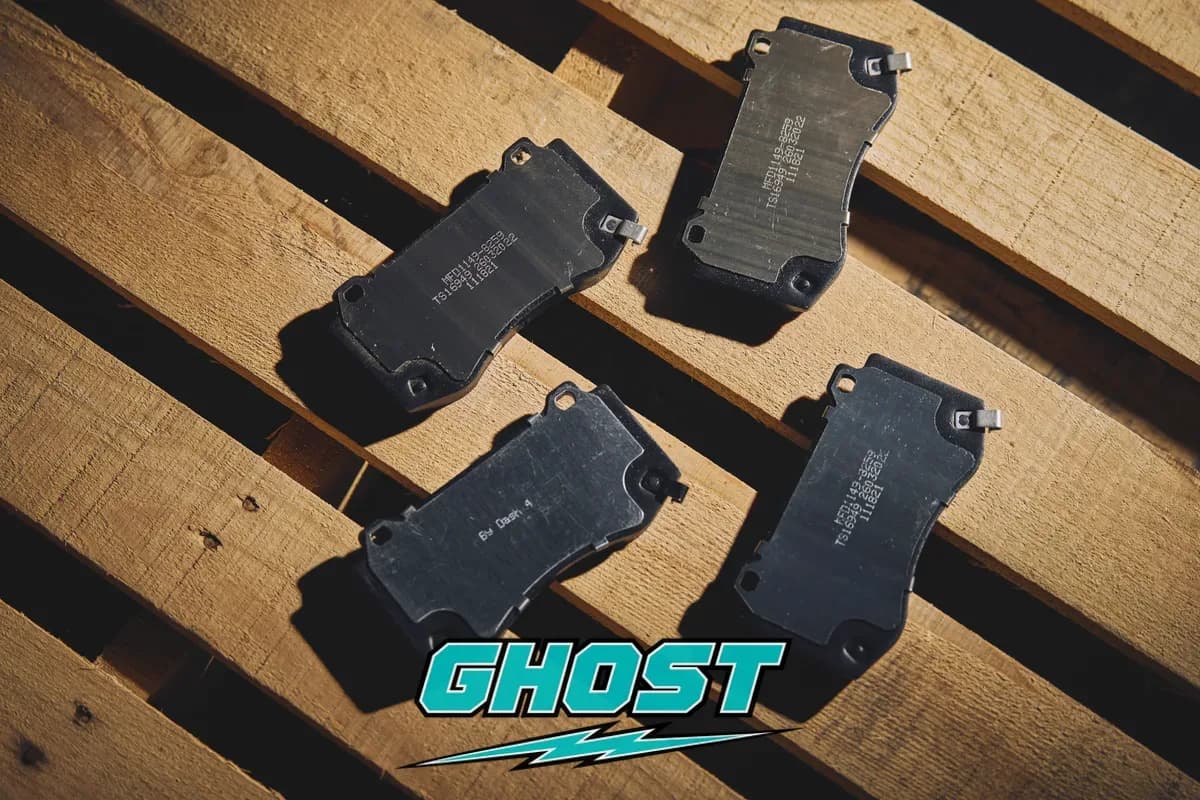
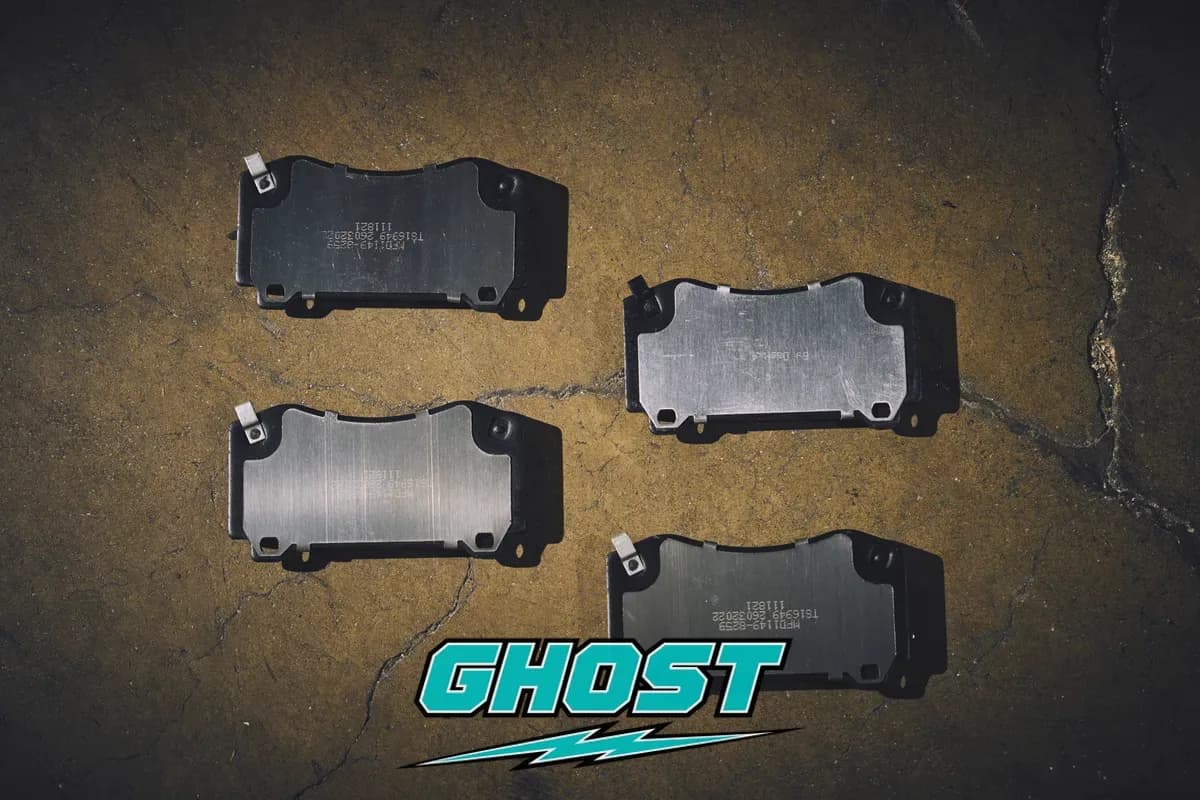
True carbon-ceramic brake discs — carbon-fiber reinforced silicon carbide — appear on exotics and some OEM supercars. They reduce unsprung mass dramatically and tolerate extreme temperatures, but they are not what Ghost Brakes sells for F-150, Hellcat, or Corvette aftermarket kits. Our “carbon ceramic” terminology refers to advanced ceramic friction pads paired with iron rotors — a different layer of the system.
Do not confuse pad compound marketing with rotor material. Your upgrade path on Ghost Brakes platforms is engineered iron rotors plus ceramic-based pad tiers matched to segment.
Choosing Metallurgy for Your Use Case
- Towing / HD trucks — G11H18 one-piece D&S, focus on vane volume and slot cleaning
- American muscle track — G3500 2-piece front rings, matched pad tier
- Euro performance — 777-XE full floating layouts for thermal headroom
- Daily commuter — G11H18 with GEOMET and low-dust ceramic pads
Where to Buy Ghost Brakes Kits
Technology pages explain why Ghost Brakes hardware is built the way it is; Slyde Over handles cart checkout, shipping tracking, and warranty registration. Click Where to Buy from any vehicle or technology page to open the retailer with UTM attribution — same rotors, same pads, same warranty.
When you have chosen a tier, confirm rotor diameter and pad shape against your factory caliper spec. American split kits (2-piece front, G11H18 rear) balance cost and capability on Hellcat, Camaro, and Charger platforms; full 2-piece Euro kits maximize thermal headroom on track-focused builds.
Still researching? Read vehicle-specific blog guides, then use the year/make/model finder to narrow SKUs before you add a kit to cart.
Document your rotor diameters and pad shapes when comparing tiers so support can confirm compatibility in one email.
Related Ghost Brakes Technology
Deep dives on 2-piece rotor technology, carbon ceramic pads, and GEOMET coating explain metallurgy and coating choices. Link to those pages when you want engineering context; return to vehicle hubs or Slyde Over when you need live SKU, price, and checkout.
Compare floating rotors vs one-piece G11H18 kits in our blog, then filter the Slyde Over catalog by make and model. Free continental US shipping applies to qualifying complete kits through our authorized retailer.
Winter storage, salted roads, and repeated short trips are hard on untreated iron rotors — GEOMET and proper pad selection address corrosion and dust without sacrificing bite for street and light track use.
If you are comparing against OEM or big-box brands, read our competitor comparison posts on Slyde Over, then return here for metallurgy context before you choose a tier.
Find Brakes for Your Vehicle
Use the vehicle search to open your year/make/model hub, compare 555 and 777 tiers, and follow Where to Buy when you are ready to checkout on Slyde Over. Spec sheets list rotor diameter, pad compound family, and whether the kit uses 2-piece fronts, full floating corners, or GEOMET-coated one-piece rotors.
Off-road, tow, and track builds should confirm caliper clearance with your wheel spec — especially on TRX, Raptor, and HD trucks where optional wheel packages change clearance. When in doubt, contact us before you order.
Support, Warranty, and Bedding Reminders
After your kit arrives, inspect rotors for shipping damage and verify part numbers against your order confirmation before you remove old hardware. Clean hub faces, guide pins, and caliper bridges — contaminated hubs are a common source of runout that feels like a “bad rotor” when the disc is actually true.
Bed pads in a controlled cycle: repeated moderate stops from street speed, then cool-down, without coming to a complete stop while pads are hot. Track drivers should bed on the street before the first session so transfer layers form before you rely on the brakes at entry speeds.
Warranty coverage applies to manufacturing defects when Ghost Brakes rotors and pads are used together as shipped. Contact support with photos if you see cracking, delamination, or coating failure under normal use — we will walk through install history before approving replacements.
When you are ready to purchase, use Where to Buy to open Slyde Over with the correct UTM tags so fitment support can reference the same SKU you see in cart.
Metallurgy is the spec sheet item most brake brands never publish — we publish it because thermal stability starts at the alloy.